


Stone Alternatives vs. Clay Sheets: Which Is Better for Modern Buildings?
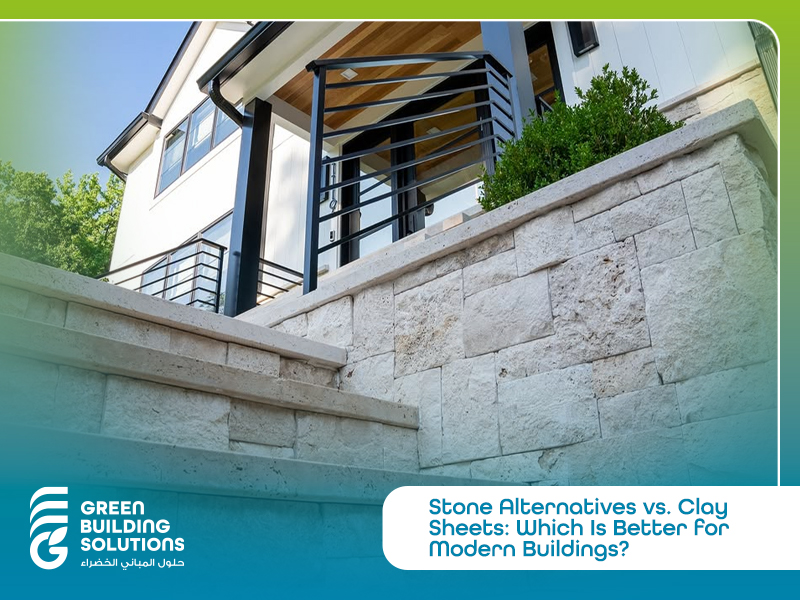
When it comes to selecting materials for modern buildings, stone alternatives and clay sheets have emerged as two of the most popular choices. Both offer unique advantages, but how do they compare in terms of sustainability, cost, and performance? As the construction industry leans more towards eco-friendly solutions, it’s essential to consider materials that align with Green Building Solutions for Energy-Efficient Projects.
In this article, we’ll explore the differences between traditional stone and modern clay sheets as facade cladding solutions. From eco-friendly interior and exterior design solutions to heat-resistant façade cladding solutions for hot climates, we’ll dive into why clay panels are becoming an increasingly popular choice for sustainable architecture.
What is Traditional Stone vs. Modern Clay Sheets?
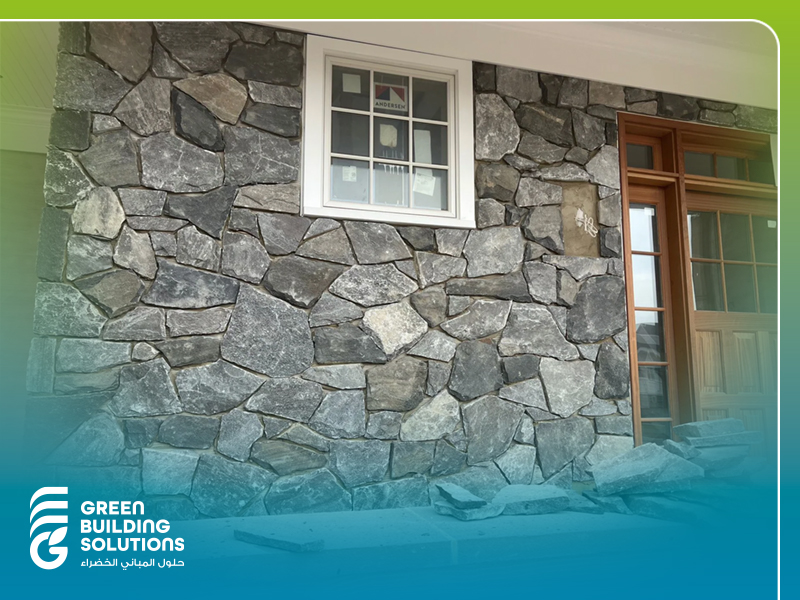
Traditional Stone has been a staple material in construction for centuries, offering a timeless aesthetic and robust durability. Stones like granite, limestone, and marble are often used for facades and landscaping due to their natural appeal and long-lasting characteristics.
On the other hand, modern clay sheets, made from natural clay treated through advanced techniques, are a newer alternative. These eco-friendly clay panels offer the same aesthetic appeal but with enhanced sustainability. Unlike stone, which can be heavy and difficult to work with, clay sheets provide a lightweight yet durable option for modern architecture.
Learn more about: PHOMI Clay Panels: The Complete 2025 Guide to Eco‑Friendly Wall Solutions
Why Did the Need for Stone Alternatives Arise?
Over time, there has been an increasing demand for sustainable building materials due to growing environmental concerns and the rising cost of traditional materials like stone. Some reasons why stone alternatives became necessary include:
- Environmental Impact: Extracting natural stone can be harmful to the environment, as it involves heavy mining and transportation costs.
- Energy Efficiency: Green Building Solutions for Energy-Efficient Projects have made energy-saving materials more desirable, especially in hot climates where buildings need to resist high temperatures.
- Cost-Effectiveness: Traditional stone, although durable, is often expensive to acquire, transport, and install. Eco-friendly clay panels provide a more affordable and sustainable alternative.
As the construction industry shifts toward more eco-friendly solutions, modern clay sheets have become a viable option for both commercial and residential buildings.
Read the full article on: Econiclay Display Panels by Green Building Solutions
Key Differences Between Stone and Clay Sheets
One of the most significant differences between stone alternatives and clay sheets is weight. Stone is heavy and requires substantial structural support, increasing construction time and labor costs. In contrast, clay sheets are lightweight, which simplifies installation and reduces the burden on the building’s structure.
Cost
Traditional stone is expensive, not only due to its extraction but also because of transportation and installation. In contrast, clay panels for sustainable architecture are more cost-effective, offering a lower upfront price and savings on long-term maintenance. This makes them an attractive option for professional installation of green building façade systems.
Maintenance
Stone facades, although durable, can require significant maintenance over time due to their susceptibility to cracking and weathering. Clay sheets, however, are generally low-maintenance. They are resistant to harsh weather conditions and don’t require constant repairs, making them a more efficient choice for sustainable design solutions.
Aesthetics
Both materials offer distinct aesthetic qualities. Stone provides a classic, natural look with a wide variety of textures and finishes. Clay panels, while also natural, offer a more contemporary look and can be molded into various shapes, offering greater design flexibility. Eco-friendly interior and exterior design solutions often favor clay sheets for their versatility and modern appearance.
Get detailed insights on: How to Choose the Right Façade Material?
How Clay Sheets Support Sustainability
Clay sheets are a prime example of how materials can support sustainability in modern architecture. Here’s how:
- Energy Efficiency: Clay panels for sustainable architecture provide better insulation than stone, helping maintain indoor temperatures without excessive energy consumption.
- Eco-Friendly Manufacturing: Clay sheets are made from natural, locally sourced materials, and their production process generally has a smaller carbon footprint than stone extraction.
- Longevity: As with stone, clay sheets are durable, but they are easier to maintain and replace, further supporting sustainable building practices.
- Recyclability: Unlike stone, which may require extensive energy for disposal, eco-friendly clay panels are often recyclable, contributing to a circular economy.
By using clay panels in construction, buildings become not only more aesthetically pleasing but also more environmentally responsible.
Discover more about: Green Building Certifications: The Ultimate Guide to Sustainable Construction in 2025
Architectural Applications of Clay Sheets
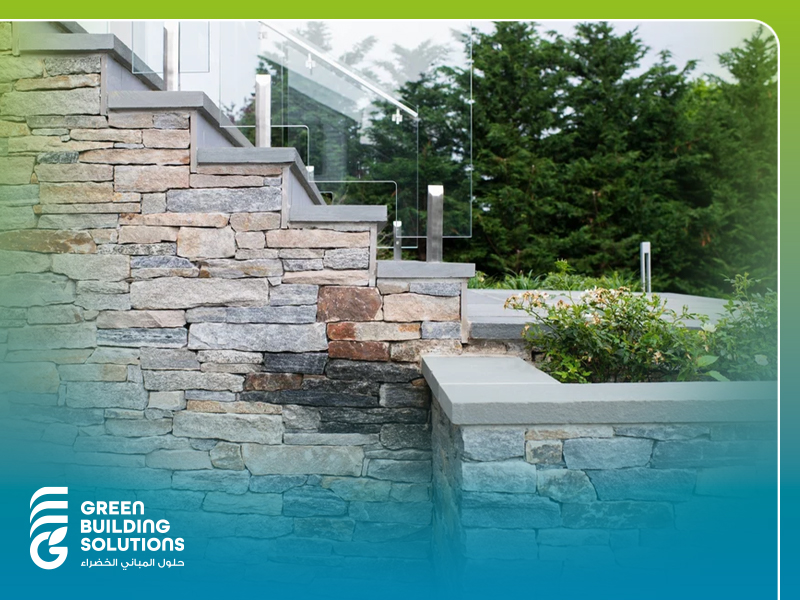
Clay sheets are being used in a wide range of architectural applications, from facade cladding systems to interior wall panels. Their versatility allows them to adapt to various architectural styles, offering designers flexibility while maintaining eco-friendly standards.
- Building Facades: Clay sheets are increasingly used for facade cladding solutions, offering both insulation and a sleek, modern appearance.
- Interior Walls and Ceilings: Eco-friendly interior design solutions often feature clay sheets for their thermal performance and ease of installation.
- Commercial and Residential Projects: Both types of buildings can benefit from the use of clay panels, offering energy savings and aesthetic appeal.
- Heat-Resistant Applications: In regions with high temperatures, heat-resistant façade cladding solutions for hot climates make clay panels ideal for keeping buildings cool and energy-efficient.
Find out more about: Top Green Building Solutions Provider in Saudi Arabia
FAQs about Stone Alternatives vs Clay Sheets
- Are clay sheets as durable as stone?
Yes, clay sheets are highly durable and can withstand weathering, but they are more lightweight and easier to maintain than stone. - How do clay sheets help with energy efficiency?
Clay panels for sustainable architecture have superior insulation properties compared to stone, making them ideal for energy-efficient buildings in hot climates. - What is the cost difference between stone and clay sheets?
While stone alternatives can be expensive due to extraction and installation costs, clay sheets are a more affordable option, providing cost savings on both material and labor. - Can clay sheets be used for both interior and exterior designs?
Yes, eco-friendly clay panels are versatile and can be used for both interior and exterior applications, making them an excellent choice for modern buildings. - What are the available installation services for clay panels, wood, and stone alternatives?
Specialized installation services are available for clay panels, wood, and stone alternatives, ensuring durability, proper insulation, and a high-quality finish for both residential and commercial projects. - Why are eco-friendly clay panels important for sustainable architecture?
Eco-friendly clay panels provide natural insulation, reduce energy consumption, and are made from sustainable materials, making them an ideal choice for green and modern architectural designs.
When choosing between stone alternatives and clay sheets, it’s clear that clay sheets offer significant benefits in terms of cost, maintenance, sustainability, and design flexibility. Whether you’re working on a commercial or residential project, eco-friendly clay panels provide an ideal solution for creating energy-efficient, aesthetically pleasing buildings.
If you’re ready to integrate Green Building Solutions for Energy-Efficient Projects into your next venture, GBS offers professional installation services for clay panels, wood, and stone alternatives. Contact us today for a consultation on how we can help you achieve sustainable and modern architectural solutions.